- /
- Who We Are/
Who We Are
The ERC Starting Grant Project AFROEUROPECYBERSPACE brings together a diverse and interdisciplinary team of scholars. It consists of three researchers and several student assistants at U Bremen as well as numerous associated researchers and fellows. Their expertise spans a range of fields, including literary and cultural studies, African diaspora and Afroeuropean studies, digital humanities, and postcolonial theory. Our collaborative efforts aim to unravel the complex textures of Afroeuropean imaginations, digital agency, and poetic strategies within diasporic communities.
Contact #
To contact our team, please reach out to afroeuropecyberspace@uni-bremen.de
The Team at U Bremen
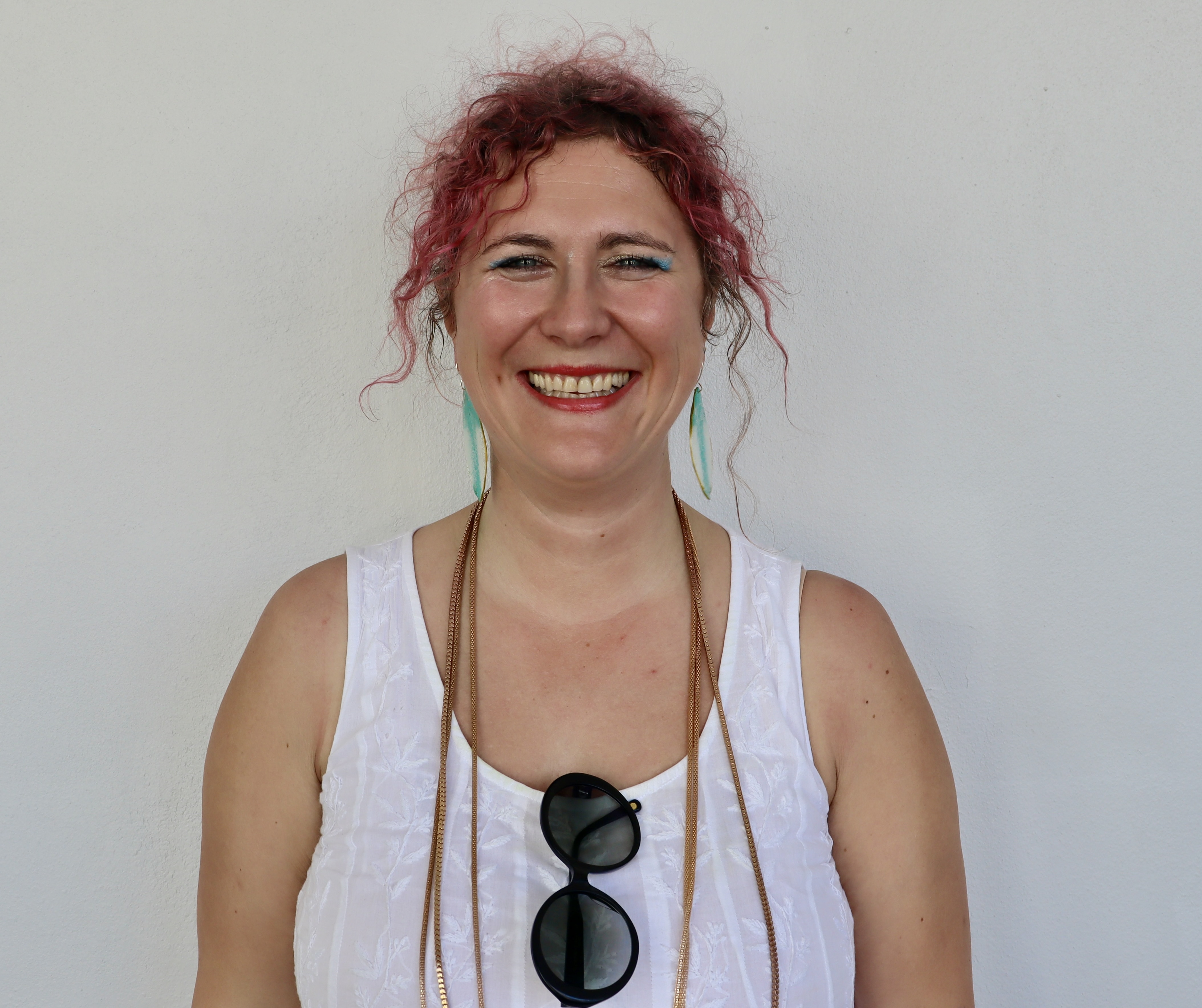
Principal Investigator
Julia is a Romance literary and cultural studies scholar with a particular focus on postcolonial literatures in French and Spanish, Afroeuropean studies and digital media studies. She holds a PhD from U Hamburg and is recipient of the Heinz Maier-Leibnitz Award 2021.
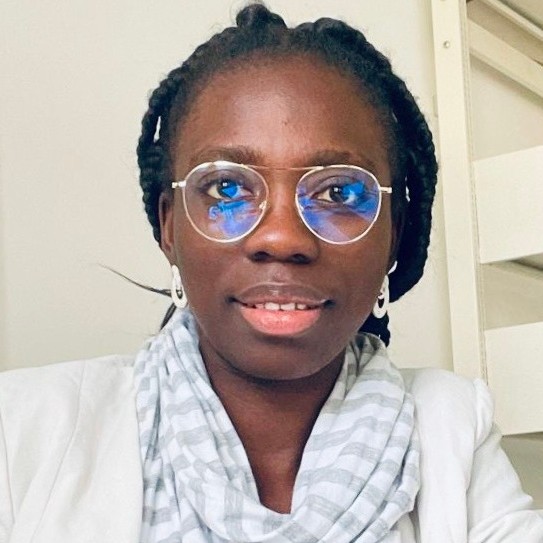
Postdoctoral Researcher
Merveilles holds a PhD in Littérature générale et comparée from Université de Lorraine, Metz. Her research interests include Afroeuropean studies, postcolonial / decolonial theory, identity constructions, migration and diaspora studies, digital media studies and children’s young adult literature.
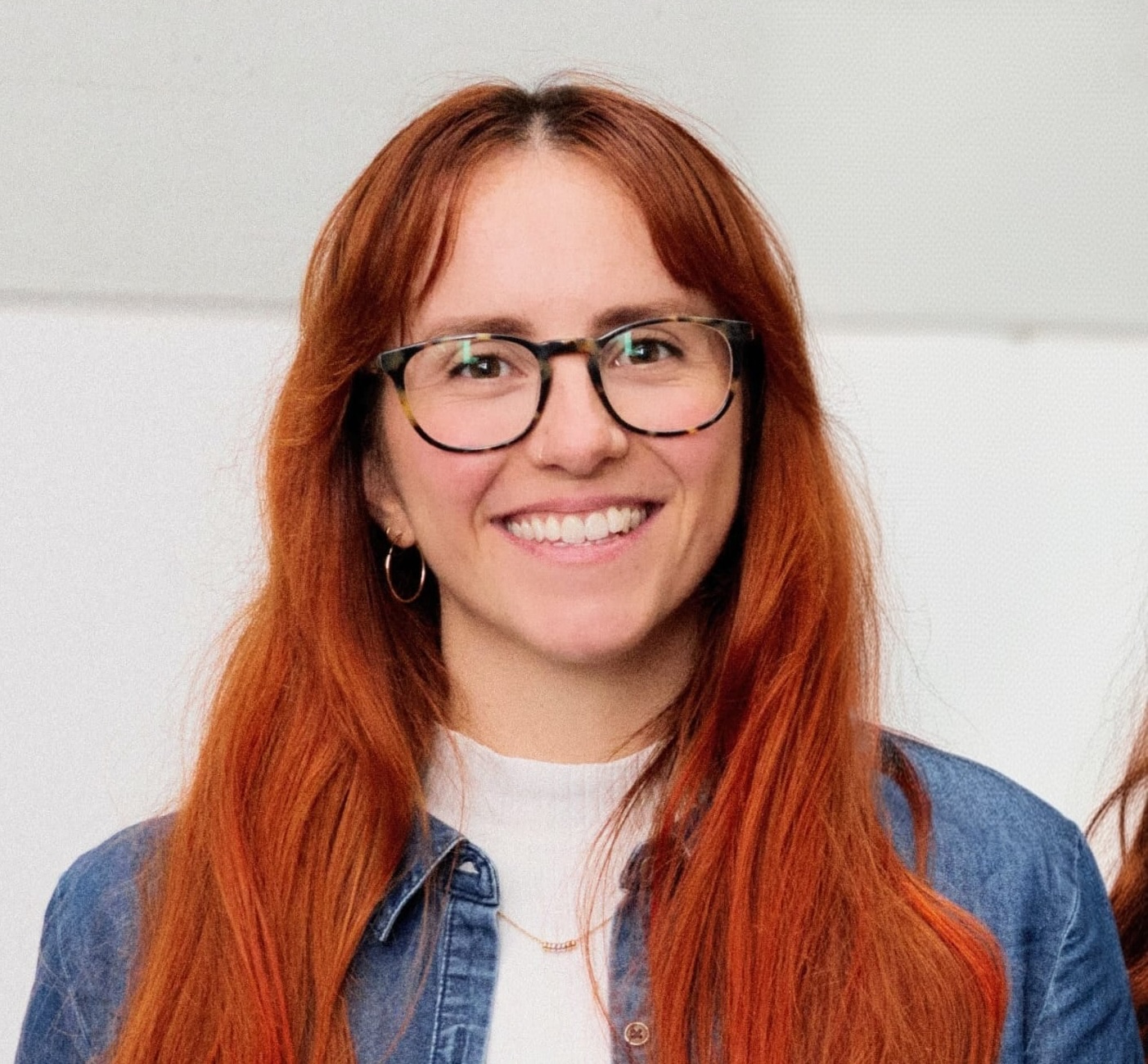
Doctoral Candidate
Ximena holds a Master’s Degree in Education (Hispanic Studies and Philosophy) from the Universities of Oldenburg and Bremen. Her research interests include postcolonial theories, intersectional feminism, postmodern migration, the critique of neoliberalism, and constructions of femininity and masculinity.
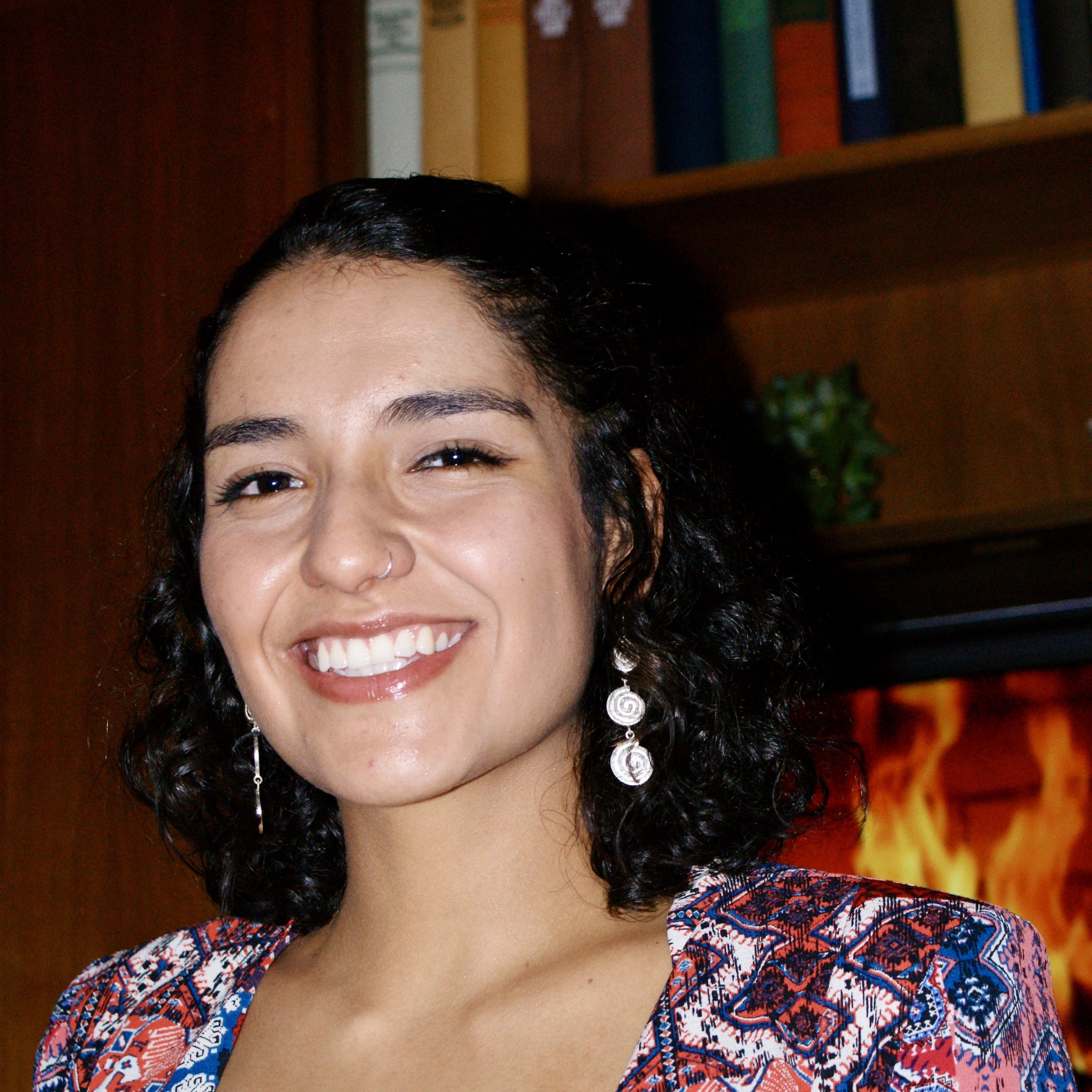
Helena Montalvo
Student Assistant
Helena is currently pursuing her Master’s Degree in Hispanic Studies and Arts at U Bremen. Her interests include the representation of the African diaspora in Europe and the Spanish-speaking Americas on digital platforms, as well as issues of identity, migration, feminism and decolonialism.

Student assistant
Lina Bouhrass is currently pursuing a Bachelor’s degree in Integrated European Studies at U of Bremen. Her research interests include postcolonial and decolonial theory, memory politics, migration and diaspora studies, and questions of identity, subjectivity, and political community. She is particularly interested in combining cultural and political analysis with quantitative social research. Lina assists the team in organizing events and conferences

Verena Achiaa
Student assistant
Verena is currently pursuing a Bachelor’s degree in English-Speaking Cultures and Educational Sciences at U Bremen. Her academic interests focus on postcolonial structures, diaspora studies, and intersectional gender perspectives. As a student assistant, she helps the team with event logistics, venue preparation, and the preparation of organizational materials.
Fellows
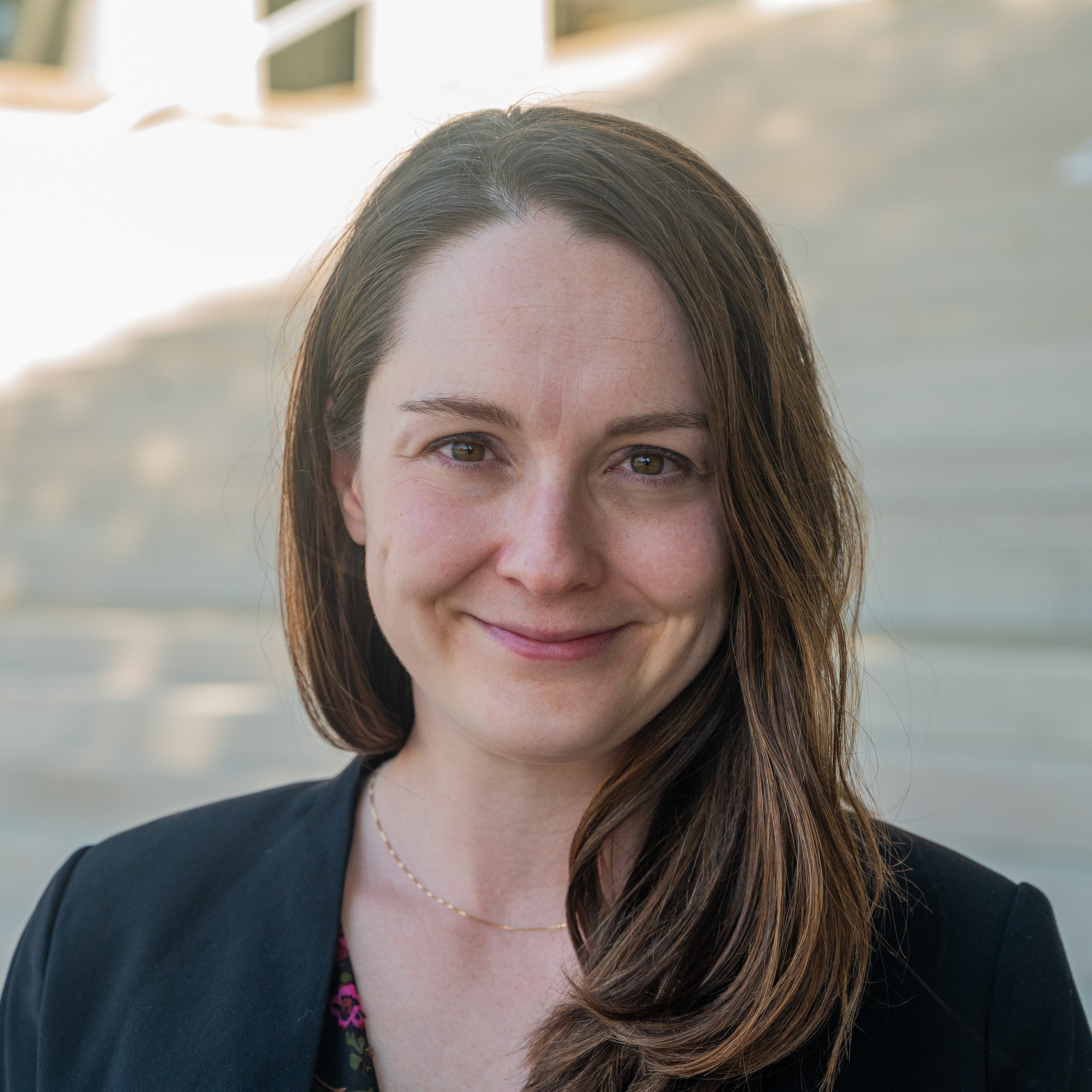
Humboldt Fellow, U Bremen / Assistant Professor, Transylvania U, USA
Dr. Alison Posey is an Assistant Professor of Spanish at TU in the United States. As an Alexander von Humboldt fellow, she will conduct research in a project entitled “Writing Race and Immigration in Spain” alongside the AFROEUROPECYBERSPACE team between 2026 and 2029. A specialist in contemporary Spanish literature, film and cultural production, Dr. Posey is also a syndicated columnist in the Spanish press.

Humboldt Fellow, U Bremen
Francesca holds a PhD in French and Francophone Literatures. Her research focuses on postcolonial studies, decolonial theory, diaspora studies and transmedia studies. From 2026 to 2028, she will be an Alexander von Humboldt fellow at U Bremen working on a project entitled “Repositioning Black European Identities from the Margins to Networks: Transnational and Transmedial Crossings Between Afro-French and Afro-Italian Artist and Activist Spaces”. From 2025-2026, she was a postdoctoral researcher of the project.
Associated Researchers
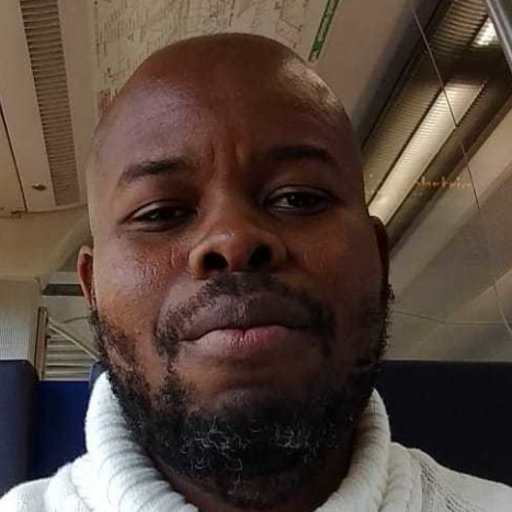
University of Ghent, Belgium
Shola is an Associate Professor of African literature at Ghent University and PI of the ERC Starting Grant Yoruba Print Culture. He is an expert of African literature in the digital age. Shola and Julia organized lots of academic events and published together.
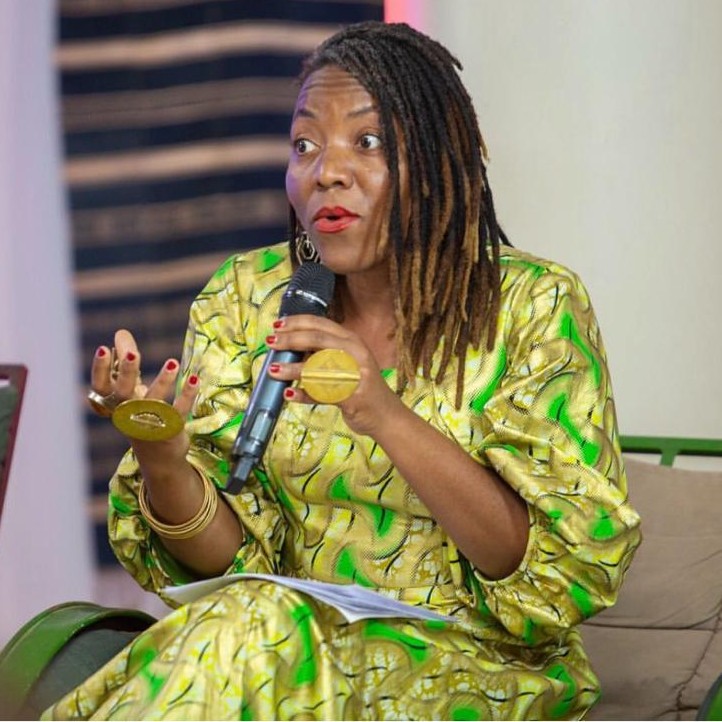
Université Cheikh Anta Diop de Dakar, Senegal
Odome Angone holds a PhD in Spanish Philology from the Complutense University of Madrid and is a research professor at the Department of Romance Languages and Civilizations at Cheikh Anta Diop University of Dakar. As an expert of afrocyberactivism, she is a regular invited guest at project activities, and she and Julia have already organized numerous conferences, workshops, and round tables together.
University of Bremen
Gisela is an emerita professor of Romance Literatures and Cultural Theory. She is a founding member and former director of the Institute of Postcolonial and Transcultural Studies (INPUTS) and the interdisciplinary research platform Worlds of Contradiction (WOC). Her research interests include postcolonial literatures, diaspora studies, contemporary novels and poetry, theories of modernity, transcultural studies and transmedia questions of aesthetics and discourse. Gisela regularly participates in project activities, including conferences and publications.

Universidad Complutense de Madrid, Spain
Linda is Profesora Titular at the Department of German and Slavic Studies at UCM. In her research, she explores the relationship between diaspora, (post-)migration and digitality in literary texts from German-speaking countries. Linda and Julia have already organized two conferences and numerous events on the topic and co-edited and co-authored various publications. Together, they founded the WOC research lab Digital Diaspora in 2020.
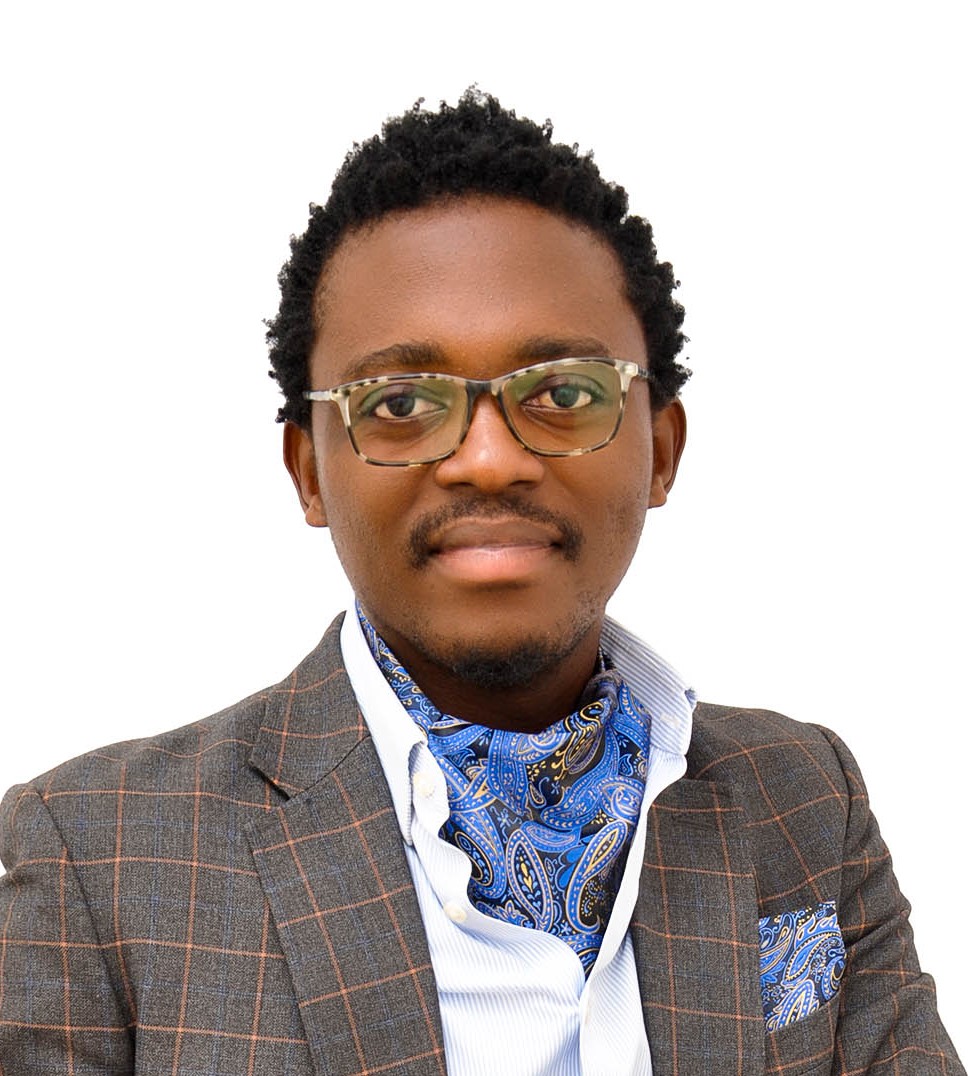
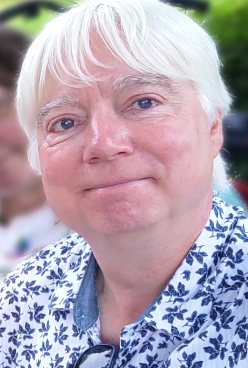
Digital Humanities, State and University Library of Bremen, Germany
Manfred holds a PhD in Mathematics and offers a Digital Humanities Advisory Service at the State and University Library of Bremen. This service focuses on methods and tools for the acquisition, refinement and analysis of textual data. We are in close contact regarding the use of digital humanities methods in literary and cultural studies.
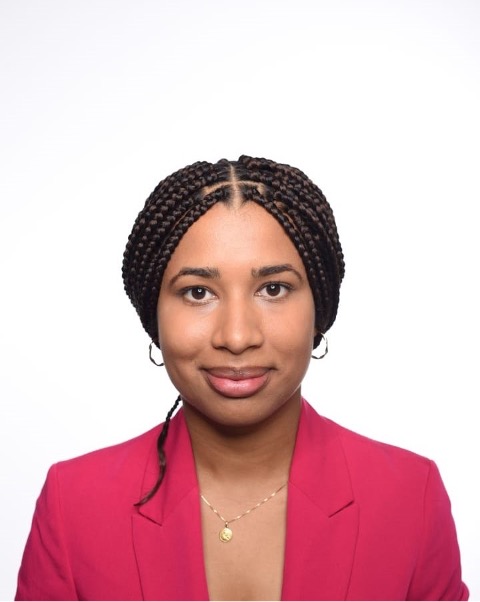
Justus Liebig University Giessen – International Graduate Centre for the Study of Culture (GCSC)
Fiona is a PhD candidate at Justus Liebig University. She focuses on digital media self-representations of Black and Afro-diasporic communities in Spanish-speaking Latin America and the Caribbean, particularly Afro-Latinx podcasting. She participated in several project activities, and we are collaborating regarding digital humanities tools.

Doctoral candidate, University of Bremen, Germany
María Ignacia is a doctoral candidate of U Bremen associated to the ERC project. Her research focuses on narratives by Afrodescendant women writers from the Hispanic Caribbean and Spain, Black corporealities, Afrofeminisms, and Afrocyberactivism in the Spanish-speaking world. She is also a writer and literary translator, and editor of the Spanish-language section of Literatur Review.

Postdoctoral researcher at the RTG Contradiction Studies, U Bremen
Nelson recently defended his PhD thesis in the DFG Research Training Group 2686 ‘Contradiction Studies’ and the Bremen International Graduate School of Social Sciences (BIGSSS). His research interests encompass narratives (fictional and non-fictional) written by Africans and individuals of African descent residing in France and Spain, examined from both comparative and psychoanalytical perspectives. From 2024 to 2025, he was a doctoral researcher in the ERC project. He is now working on a new postdoc project on healing cinema.
Past Team Members

Liam Hurwitz
Former Student Assistant and External Contractor
Liam was a M.A. student at the Department of Math and Computer Science at U Bremen and worked for the project as a student assistant from 2024 to 2025. As a full stack developer with a passion for art and design and over 10 years of experience in the tech industry, he was responsible for developing the project website and the digital analyzing tools of the project. In 2025, he developed a structured SQLite database for the project as an external contractor.
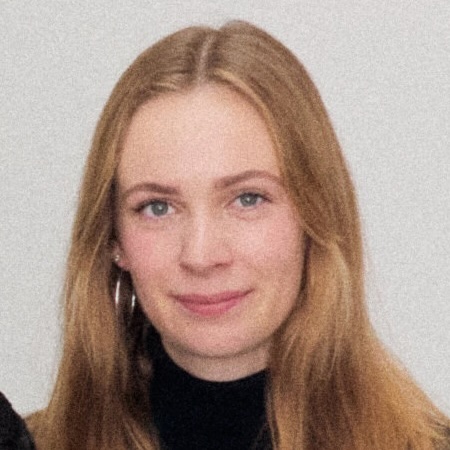
Emma Pappiér
Former student assistant
From 2024-2025, Emma was a student assistant of the ERC project and collaborated on the creation of an overview of Francophone and Italophone digital platforms.

Dr. Francisco Fuentes Antras
Universidad Autónoma de Madrid, Spain
From 2024-2026, Francisco was an associated researcher of the project. He is a full-time lecturer at the Department of English Studies of UAM. His research focuses on the transnational study of how Hispanophone and Anglophone exiled writers such as Lien Carrazana (Cuba) and Ali Salem Iselmu (Western Sahara) use literature to express their identity conflicts. In this context, he investigates anthologies and websites as spaces of resistance that give voice to diasporic writers.
Former postdoctoral researcher of the project
From 2025-2026, Francesca was a postdoctoral researcher in the AFROEUROPECYBERSPACE project. Her research focused on the African diaspora in France, Italy and their interconnections and she explored explores Black European identities and narratives through a transnational and transmedial lens. Focusing on collaborative practices among Afro-French and Afro-Italian artists and activists, her activities highlighted the formation of diasporic networks across physical and digital borders.

Anna Rueda Herrera, M.A.
Former doctoral fellow, Universidad Pablo de Olavide de Sevilla, Spain
In 2024, Andrea spent three months at U Bremen as a doctoral fellow. She is a doctoral candidate at the Department of Anthropology, Basic Psychology and Public Health at U Pablo de Olavide de Sevilla. As a doctoral fellow of the AFROEUROPECYBERSPACE project and the DFG Research Training Group 2686 ‘Contradiction Studies’, she spent three months at the University of Bremen in 2024. She is a regular participant of our reading group and involved in our video interviews series.
Former doctoral candidate of the project
From 2024-2025, Nelson was a doctoral candidate in the AFROEUROPECYBERSPACE project. In this context, he explored Francophone platforms in France and their interconnections to African cultures and contexts to examine the manifestations of belonging and re-subjectivation as well as practices of diasporic community-building in the digital space.